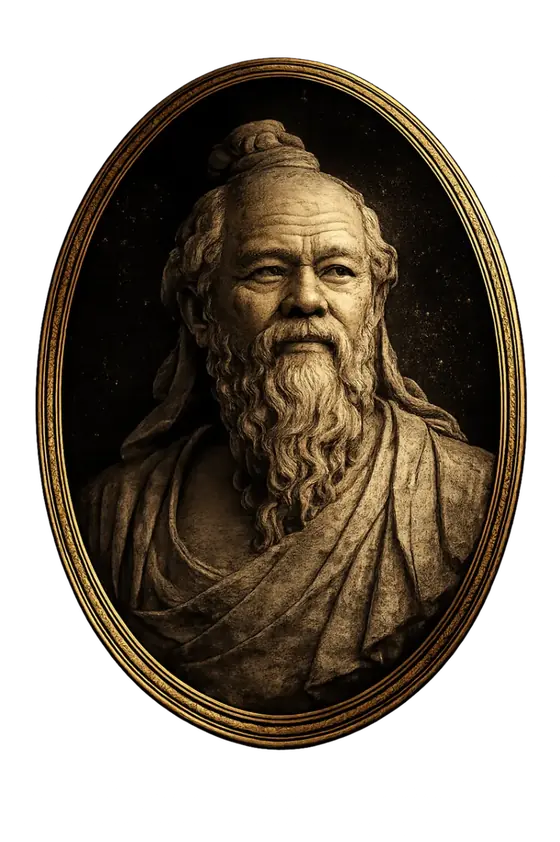
Taoism
Laozi
The Sage of the Way
- Born
- c. 6th century BCE
- Died
- unknown
- Region
- Ancient China — State of Chu
- Vocation
- Philosopher, Archivist of the Zhou court
Author of the Tao Te Ching, Laozi taught that the deepest strength arrives through yielding, and the truest action often looks like stillness.
Life
Laozi, whose name means 'Old Master', is a figure who stands at the edge of history and myth. Traditional accounts place him as a keeper of imperial archives during the late Zhou dynasty — a scholar who spent his life among scrolls, watching a civilization slowly lose its way.
Legend tells of his departure west on the back of a water buffalo. At the frontier gate, a guard begged him to leave behind his teachings before disappearing into the mountains. Laozi is said to have written the Tao Te Ching in a single night — eighty-one short chapters that would go on to shape Chinese thought for over two thousand years.
Whether one man or many, the voice of Laozi is unmistakable: gentle, paradoxical, ancient. He does not argue. He observes. Water, valleys, uncarved wood, empty vessels — his images are drawn from the world itself, and from them he distills a philosophy of returning.
Core Themes
Timeline
c. 604 BCE
Traditional birth
Born in the state of Chu, according to Sima Qian.
youth
Study of the ancient rites
Immersed in the ceremonial texts of the Zhou.
adulthood
Keeper of the archives
Serves the Zhou court, tending to records of ritual and history.
mid-life
Meeting with Confucius
A legendary encounter — Confucius later compared him to a dragon.
later years
Withdrawal from court
Sees the Zhou dynasty in decline and turns inward.
late life
The journey west
Weary of the world's decline, he departs on a buffalo.
the gate
The Tao Te Ching
Composed at the frontier at the gatekeeper Yinxi's request, then he vanishes into the mist.
Places
The map of a life — ancient and modern.
State of Chu
Chu
Today: Henan Province, China
The southern kingdom of his birth.
Zhou capital
Luoyang
Today: Luoyang, Henan
Where he tended the imperial archives.
Hangu Pass
The Western Gate
Today: Lingbao, Henan
The threshold at which the Tao Te Ching was born.
Major Works
Philosophical poetry · c. 6th–4th c. BCE
Tao Te Ching
Eighty-one chapters on the Way and its virtue — perhaps the most translated text after the Bible.
Premium unlock · free online edition available
Voices of the Guide
"A journey of a thousand miles begins beneath one's feet.
"When I let go of what I am, I become what I might be.
"Nature does not hurry, yet everything is accomplished.
"The soft overcomes the hard. The gentle overcomes the rigid.
Influence
Influenced by
- The Yellow Emperor tradition
- Early Chinese cosmology
Who they influenced
- Zhuangzi
- Chan / Zen Buddhism
- Chinese medicine
- Martial arts
- Modern ecology
Modern Impact
Why this guide still matters today.
- Leadership: 'lead by not leading' shapes servant-leadership frameworks.
- Design: minimalism and negative space owe him a quiet debt.
- Ecology: an early voice for living in accordance with nature.
Related Council Members
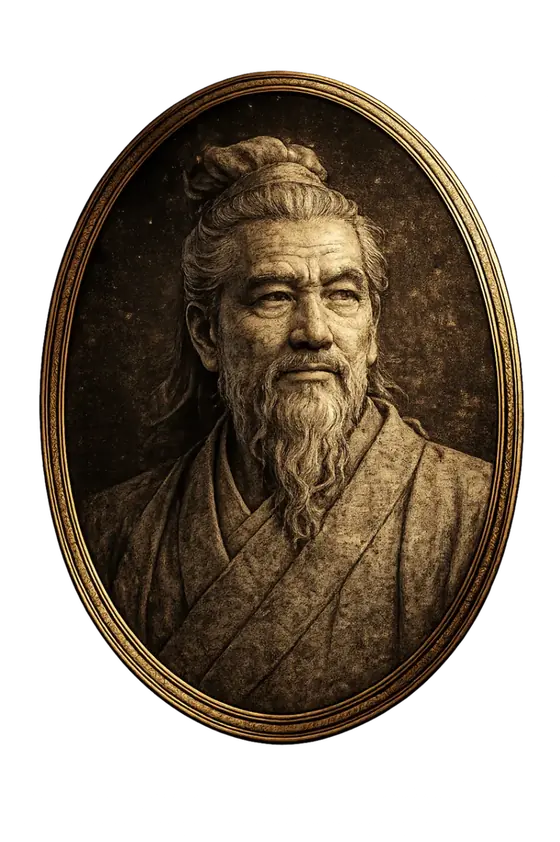
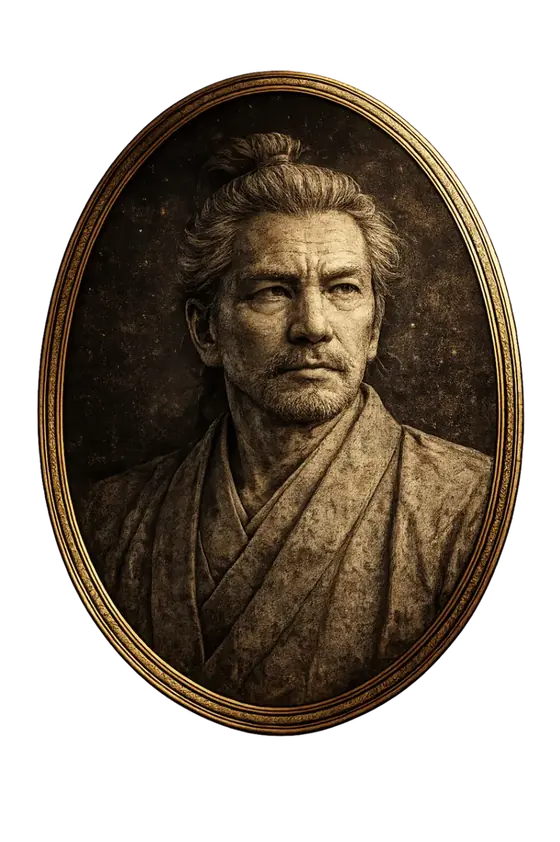
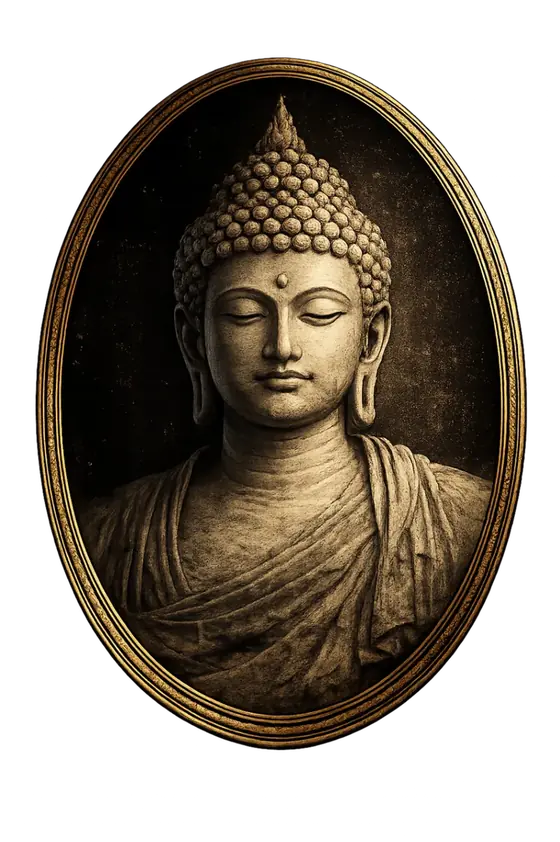
Legacy
Two and a half millennia later, when someone speaks of 'going with the flow,' of strength in softness, or of the wisdom of doing less — they are, whether they know it or not, quoting Laozi.